Unreliable Wi-Fi can be frustrating due to frequent disconnections, slow speeds, and limited coverage. These issues can disrupt productivity, online activities, and communication. An access point can help solve these problems by extending the reach of the Wi-Fi signal, eliminating dead zones, and improving overall connectivity. It can provide a stronger and more stable connection, ensuring reliable internet access for all devices within its range.
What is an Access Point?
An access point is a device that allows wireless devices to connect to a wired network. It acts as a central communication hub, transmitting and receiving data signals between the wireless devices and the network. Access points are commonly used in businesses, homes, and public areas to provide Wi-Fi connectivity. They are essential for creating wireless networks and expanding network coverage.
Benefits of Access Points over Wi-Fi Extenders or Mesh Systems.
- Better performance: Access points are hardwired to the network, ensuring faster and more stable connections compared to extenders or mesh systems that rely on wireless signals.
- Scalability: Access points can be easily added or removed to extend Wi-Fi coverage in different areas without compromising network performance.
- Flexibility: Access points can be configured with different security protocols, bandwidth settings, and advanced features, making them suitable for specific network requirements.
- Centralized management: Access points can be managed centrally through a controller, allowing for easier configuration, monitoring, and maintenance of the network.
- Cost-effectiveness: While access points may require initial cabling installations, they offer a cost-effective long-term solution as they provide better performance and scalability, eliminating the need for multiple extenders or mesh systems.
Access Point installation.
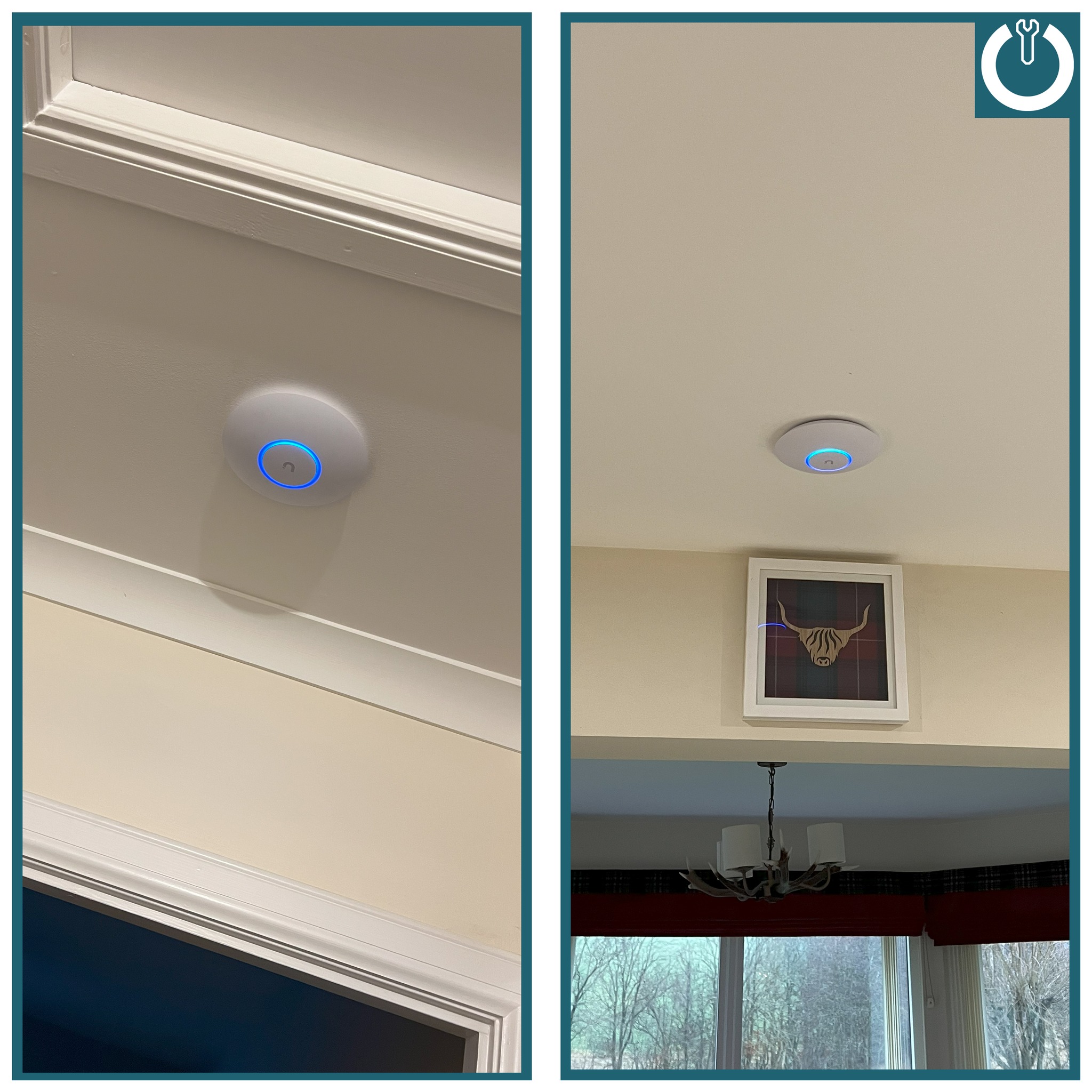
AJ I.T Services process starts with an initial call out consultation to understand your needs and carry out a site survey to determine how many access points you’d need and find the best access point locations. We will provide a detailed floor plan, detailing where the access points will be installed based on your requirements, ensuring excellent coverage and performance. AJ I.T Services will install and configure the access points with minimal disruption, and optimised for maximum speed and reliability. We also provide ongoing support and maintenance, making sure your Wi-Fi network stays efficient and problem-free.
Access Point compatibility.
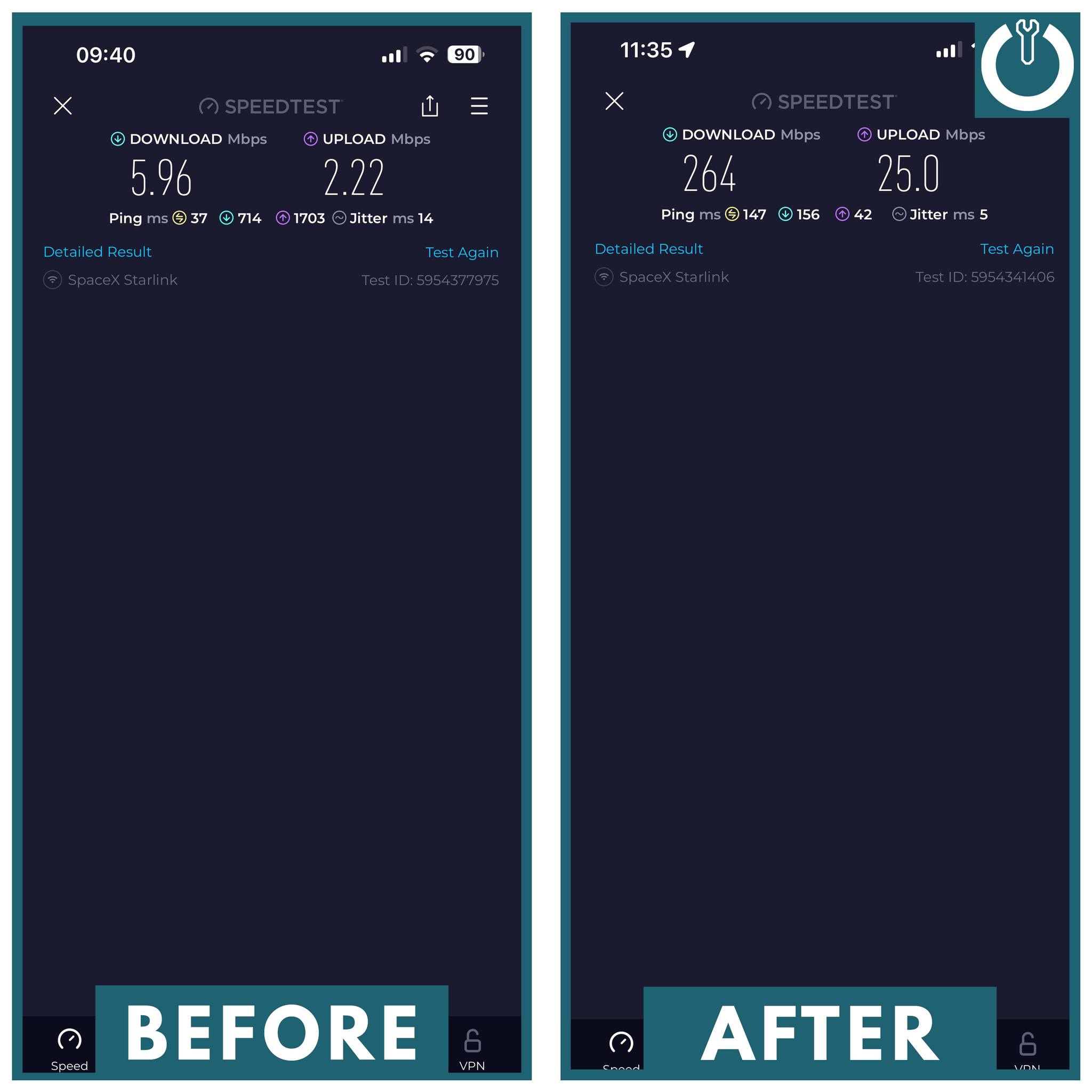
Wi-Fi access points are compatible with any broadband provider, including Starlink, because they serve as the interface between the broadband connection and the devices that need internet access.
AJ I.T Services previous Access Point installs
If you are interested and want to find out more, please click the button below to contact AJ I.T Services
Contact us